Happaning: scaling a consumer app from beta to market-ready.
A validated concept is the beginning of the hard part. This is how structured user testing and a feature qualification framework turned an event discovery app’s promising beta into a product ready to retain and grow its users, and how any product team can borrow the discipline.
The concept worked.
Now what?
Happaning helps people discover events, and its beta had proved the core idea: people wanted it. What the beta could not answer was the question every early product faces next. Of everything the team could build, which features would actually make users stay, and which were expensive distractions wearing good ideas as disguises?
That question decides whether a promising beta becomes a product or a cautionary tale, because early teams have limited runway and every feature built is several features not built. Happaning needed evidence, not opinions.
Three problems,
stated plainly
We write the problems down before we design anything. If a proposed solution does not answer at least one of them directly, it does not make the build.
Every feature idea sounded plausible
The team, its users, and its advisers all had convincing suggestions, and no shared way to compare them. Without an objective basis for choosing, the roadmap risked being set by whoever argued last, which is how early products drown in features nobody needed.
Feedback arrived loose and unstructured
Beta users shared reactions freely, but scattered comments cannot rank priorities. What users say they want, what they actually do, and what makes them return are three different datasets, and the beta was only collecting the first, loosely.
Growth would leak without a floor
Acquiring users for an app that does not retain them is pouring water into a cracked jug. Before scaling, Happaning needed to know what genuinely brought users back, so that retention, not novelty, could qualify what got built.
Qualifying solutions
before applying them
We replaced loose feedback with structured user testing: defined cohorts, repeatable sessions, and tasks that revealed what users did rather than only what they said. Watching real usage exposed the gap between stated preferences and actual behaviour, which is where most roadmap mistakes hide.
From the testing we built a feature qualification framework: every candidate feature scored on evidence of retention impact against cost and effort to deliver. The framework turned roadmap debates from persuasion contests into evidence reviews, giving founders and stakeholders a shared basis for saying yes and, more importantly, for saying no.
Solutions were qualified by one test above all: does the evidence say this makes users return? Features that scored well were refined and shipped. Plausible ideas that could not show retention impact were parked, however attractive they sounded, because runway spent on unqualified features is the most common way good betas die.
Test, score, decide,
repeat
The engagement ran as cycles: structured testing rounds surfaced evidence, the framework scored the candidates, and the roadmap was reset accordingly. Alongside the strategy work, we refined the user experience itself, smoothing the journeys that testing showed were costing engagement and sharpening the moments that brought people back.
By the end, the product was shaped by its users’ behaviour rather than by the loudest idea in the room, and the team had more than a better app. It had a repeatable decision process it could keep running long after the engagement ended.
What changed,
and what it means
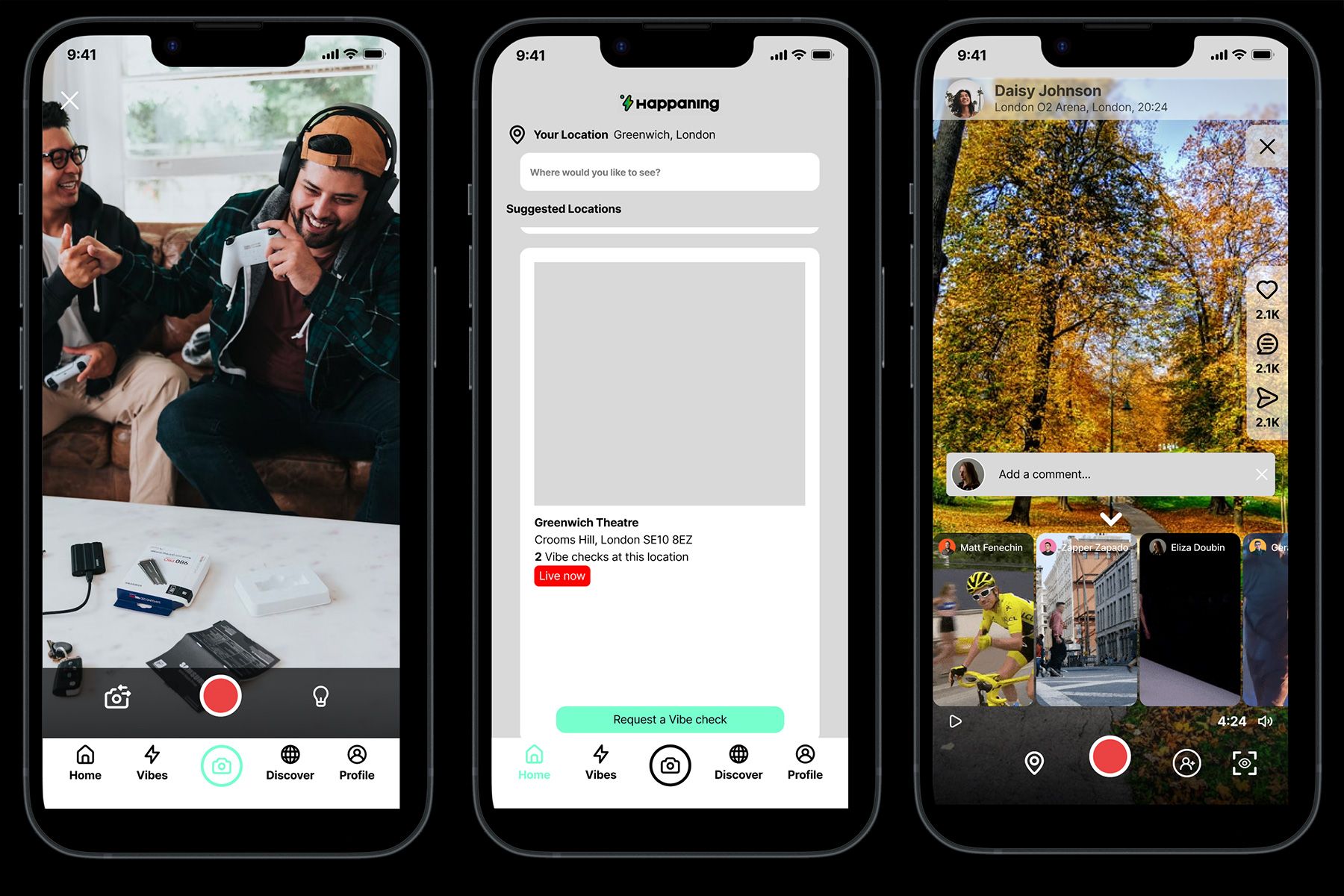
Happaning moved from validated beta to market-ready product, with a roadmap qualified by evidence and a user experience tuned to what demonstrably drives return visits. The lasting asset is the discipline itself: a framework the team owns for every future feature decision.
What this project teaches
beyond this project
These are the four lessons we would put in front of any business owner or stakeholder facing a similar challenge.
1. A framework beats a wishlist
Every early team has more ideas than runway. The difference between the ones that ship a product and the ones that ship a pile of features is a shared, evidence-based way to compare options. The framework does not need to be complex, it needs to be agreed, applied, and allowed to say no.
2. Watch what users do, weigh what they say
Users are honest about their feelings and unreliable about their futures. Stated preferences generate ideas, but observed behaviour qualifies them. Any product decision resting only on what people said in a survey is resting on the weakest available evidence.
3. Retention is the qualifying metric for early products
Downloads flatter and growth spend can buy them, but only return visits prove a product matters in someone’s life. Making retention the bar that features must clear keeps a young product focused on becoming indispensable before becoming big.
4. The discipline is worth more than the deliverable
The refined app was the visible outcome, but the repeatable testing and qualification process is what compounds. Product teams should judge an engagement by what they can keep doing without the consultants, because the next hundred decisions arrive after the engagement ends.
Deciding what to build
with limited runway?
If your roadmap is set by the most convincing voice rather than the strongest evidence, every sprint is a gamble. Tell us where your product stands and we will show you how to qualify what comes next.
No commitment · Responds within 24 hours · London GMT · Global projects welcome